

Understanding Gutter Installation Permits in Arkansas
Gutter installation in Arkansas is subject to specific local rules, particularly when it comes to obtaining permits. In cities like Jonesboro, homeowners must check with their local government to determine if a permit is required for new installations or replacements. These permits guarantee that the work meets state and local building codes, which are designed to protect both property and public safety.
Arkansas has a set of building codes that apply to all construction activities, including gutter installation. These codes describe requirements for materials, installation methods, and safety standards. For instance, in Jonesboro, the local building department may require that gutters be installed in a way that prevents water from pooling near the foundation of a home. This helps to avoid issues like basement flooding or structural damage.
Homeowners in Arkansas should also be knowledgeable that some cities may have extra requirements. For example, Little Rock has specific guidelines that dictate the minimum size and type of gutters that can be installed. These regulations are in place to ensure that all gutter systems work effectively and contribute to the overall integrity of a home’s structure.
It’s important to note that even if a permit is not required, following local building codes is still required. This ensures that the installation is done accurately and safely. If you're unsure about the requirements in your area, it’s always a good idea to reach out to your local building department or a licensed contractor for help.
Key Local Regulations for Gutter Installation in Arkansas
Arkansas has a variety of regional regulations that apply to gutter installation, and these can vary depending on the city. For example, in Jonesboro, the area government may call for that gutters be installed within a specific distance from the roof edge. This helps to make sure that water is directed away from the home’s foundation, reducing the risk of water wear.
In addition to Jonesboro, other cities in Arkansas, such as Little Rock and Fort Smith, have their own set of rules. Little Rock, for instance, may have particular guidelines regarding the type of materials that can be used for gutter installation. These materials must be long-lasting enough to withstand the region’s weather conditions, which can include heavy rainfall and strong winds.
Fayetteville, known for its hilly terrain, may require customized gutter approaches to manage water runoff efficiently. The city’s unique topography means that standard gutter installations may not be sufficient, and residents might require to work with a experienced to design a system that fits their specific calls for.
Another key consideration is the regional building codes that apply to all areas of Arkansas. These codes are designed to confirm that all construction jobs, including gutter installation, meet protection and quality guidelines. They cover everything from the materials used to the techniques of installation, and they are enforced by local authorities to maintain a high level of safety and compliance.
It’s also worth noting that some cities in Arkansas may have additional requirements for gutter installation, such as specific drainage guidelines or restrictions on the placement of gutters. These rules are in place to protect the environment and prevent issues like erosion or water contamination.
Gutter Installation in Jonesboro: What You Need to Know
Gutter installation in Jonesboro requires careful attention to local permits and regulations. Homeowners in this city should consult with their local building department to determine if a permit is needed before beginning any work. This step is crucial to ensure that the installation meets all necessary requirements and avoids potential fines or delays.
Jonesboro has particular local rules that apply to gutter setup. These may include standards on the dimensions, position, and kind of gutters that can be used. For example, the city may mandate that gutters be installed at a particular gap from the roof edge to ensure proper water flow. These regulations are in place to protect homes from moisture damage and to sustain the general level of the area’s network.
In addition to permits and rules, homeowners in Jonesboro should also evaluate the regional environment when organizing their gutter setup. The city experiences an average of 50 inches of precipitation annually, which means that gutters must be developed to manage a significant volume of moisture. This may necessitate selecting substances that are strong and resistant to climate injury.
It’s also crucial to collaborate with a licensed builder who is familiar with the local guidelines. A professional can support secure that the installation is completed accurately and that all necessary permits are obtained. This can save period and money in the later by avoiding potential issues with regional authorities or building harm.
In what way Environment Impacts Gutter Installation in Arkansas
The weather in Arkansas plays a considerable role in figuring out the most suitable method to gutter mounting. In towns like Jonesboro, where yearly water reaches around 50 inches, gutters must be created to handle a considerable quantity of water. This means that property owners need to pick materials and systems that can withstand heavy precipitation and prevent water from accumulating around their residences.
Arkansas also faces a range of environment situations throughout the year, including storms, high winds, and infrequent ice. These components can place additional stress on gutters, making it essential to pick substances that are durable and resistant to injury. For example, aluminum gutters are a common choice because they are easy to carry, resistant to rust, and can deal with a range of environment circumstances.
In addition to rainfall, the climate in Arkansas can vary significantly, especially in cities like Fayetteville and Fort Smith. These changes can impact the function of gutters, particularly if they are not adequately installed. For instance, high temperatures can result in materials to stretch, while cold temperatures can cause contraction and potential leaks. Choosing the proper materials and installation methods can aid lessen these issues.
Homeowners in Arkansas should also take into account the effect of conditions on their maintenance plan. Areas with significant precipitation may need more regular maintenance and inspections to prevent blockages and guarantee adequate water movement. This is crucial in cities like Little Rock, where regulations may require gutters to be installed within 12 inches of the roof edge to prevent moisture from building up near the ground level.
Top Choices for Gutter Installation in Arkansas
Picking the right choices for gutter installation in Arkansas is essential to ensure long-term results and sturdiness. The state’s weather, which includes substantial precipitation and occasional adverse weather, demands options that can handle these situations without degrading.
One of the most popular choices for gutter installation in Arkansas is aluminum. This element is easy to carry, rust-proof, and cost-effective. It is also easy to install and maintain, making it a suitable choice for residents in urban areas like Jonesboro and Little Rock. Aluminium gutters are available in a range of colors, enabling residents to coordinate their residence’s façade.
Another common element used in Arkansas is zinc-coated steel. This option is famous for its sturdiness and sturdiness, making it ideal for regions with heavy rain or frequent storms. Galvanised steel gutters are immune to oxidize and can survive for many years with proper maintenance. However, they are denser than aluminum and may demand extra reinforcement during installation.
For residents looking for a more visually appealing choice, metal gutters are a common selection. Metal is inherently less likely to oxidation and can create a unique patina over period, enhancing distinctiveness to a home’s exterior. While metal gutters are costlier than aluminium or metal, they are a lasting option that can improve the total look of a building.
In regards to these choices, some property owners in Arkansas may select plastic gutters. https://pad.batsense.net/lzGgHm1gSYCZQs-LqUeKRg These are not heavy, easy to install, and less likely to rust and oxidation. However, they may not be as durable as metallic selections and can easily be damaged to injury in harsh weather.
When picking options for gutter installation process, it’s crucial to take into account the particular requirements of the property and the local climate. Working with a skilled installer can aid ensure that the picked choices are suitable for the area and will provide enduring functionality.
Popular Gutter kinds Employed in Arkansas areas
In Arkansas, multiple types of gutters are regularly utilized, each with its own benefits and disadvantages. The primary popular choices include seamless gutters, modular gutters, and personalized installations that serve the specific requirements of multiple areas.
Unbroken gutters are a favored selection in cities like Jonesboro and Fayetteville. These gutters are created from a one section of material, which reduces the chance of seepage and leads them more robust. They are also accessible in a range of components, including aluminium and cast iron, creating them a flexible option for residents.
Modular gutters, on the other facet, are constructed up of multiple sections that are linked collectively during installation. While they are usually lower priced than continuous gutters, they might be more susceptible to seepage if not set up properly. These gutters are often employed in locations with lesser rain, such as portions of Fort Smith and Springdale.
In urban areas like Little Rock and North Little Rock, where the topography can be increased challenging, custom-designed gutter systems are often preferred. https://codimd.syssec.org/ddCM0TBIRk6AzoTEnL1YZQ These installations are tailored to the unique requirements of a property, taking into consideration factors like roof inclination, rainfall trends, and area building codes. Personalized choices can offer a more effective and long-lasting decision for property owners in these areas.
Another style of gutter that is gaining trend in Arkansas is the K-profile gutter. This design is recognized for its appearance beauty and usefulness, making it a preferred choice for property owners who want either style and performance. K-style gutters are accessible in a range of substances, including aluminum, iron, and metal, and are commonly utilized in urban regions like Conway and Rogers.
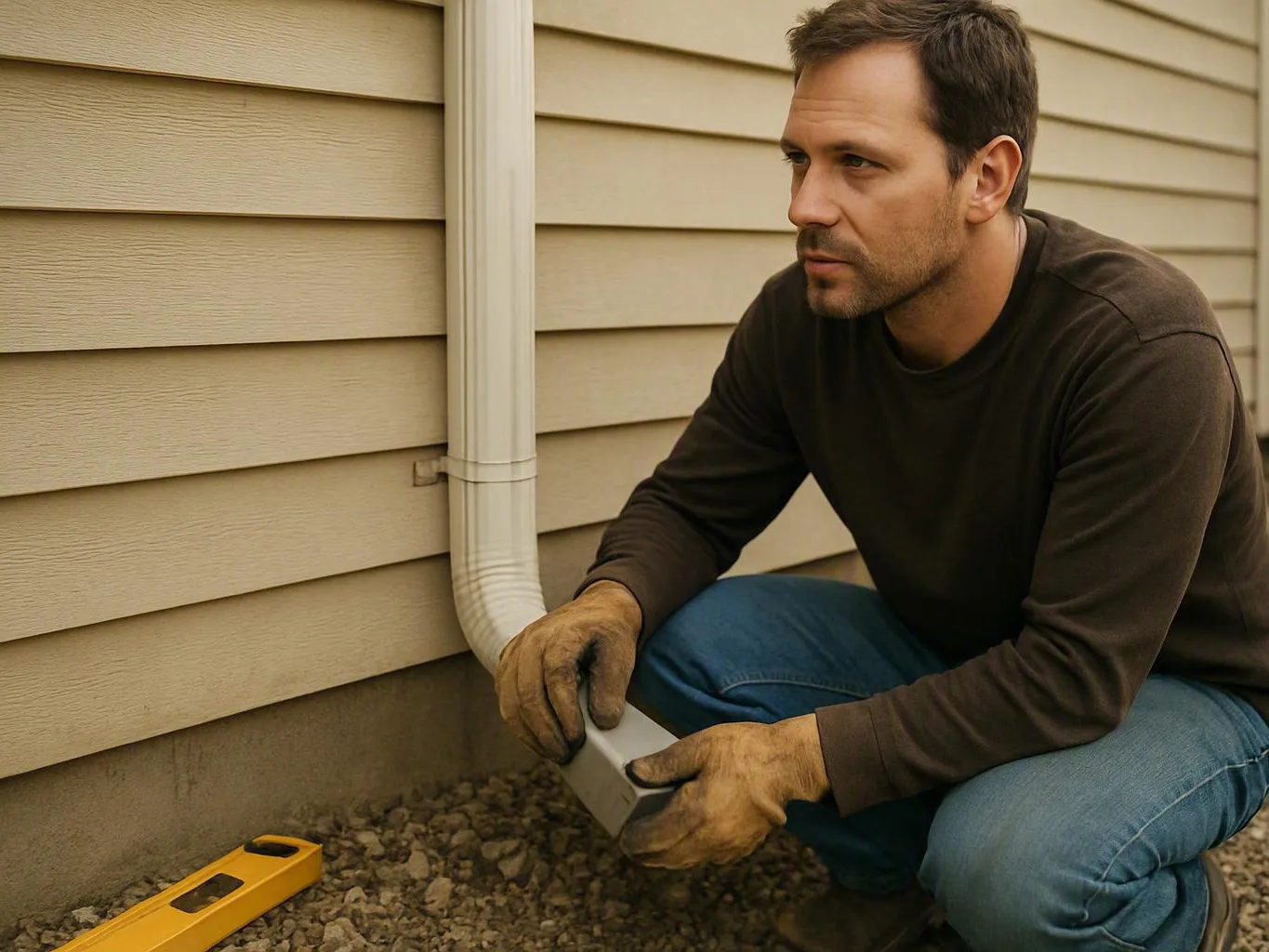
When deciding the correct style of gutter for a home in Arkansas, it’s vital to consider the area climate, the specific needs of the property, and the tastes of the resident. Engaging a skilled contractor can support guarantee that the chosen gutter unit is fitting for the area and will deliver long-term merits.
Expense of Gutter Installation in Arkansas and Nearby Areas
The cost of gutter installation in Arkansas can fluctuate depending on several elements, including the type of materials used, the size of the property, and the complexity of the installation. In cities like Jonesboro, property owners can expect to pay between $3 and $7 per linear foot for a standard installation, depending on the materials and labor costs.
For those looking for a more affordable option, vinyl gutters are frequently the cheapest choice. However, they may not be as sturdy as other materials and may require more common upkeep. Aluminum gutters are another popular option, offering a balance between cost and efficiency. They are lightweight, corrosion-resistant, and relatively easy to put in, making them a useful selection for many residents in Arkansas.
In cities like Little Rock and Fort Smith, where the regional building codes may need specific types of gutters, the cost can be higher. These areas often have stricter regulations, which can lead to increased labor and material costs. Property owners in these cities should also be prepared for extra expenses related to permits and inspections.
The cost of gutter installation can also vary depending on the size of the property. Larger homes usually call for more materials and labor, which can increase the overall cost. In cities like Springdale and North Little Rock, where homes tend to be larger, the installation cost can be significantly higher than in smaller communities.
It’s also important to consider the long-term cost of maintenance when planning a gutter installation. While some materials may be cheaper upfront, they may require more frequent repairs or replacements, which can add to the overall cost over time. Choosing durable materials and working with a professional contractor can help ensure that the installation is both cost-effective and long-lasting.
Gutter Installation Costs in North Little Rock and Conway
In North Little Rock, the cost of gutter installation can vary based on the materials used and the complexity of the job. Homeowners in this area can expect to pay between $4 and $8 per linear foot for a standard installation. This range includes both aluminum and steel options, which are commonly used in the region due to their durability and resistance to weather conditions.
Conway, known for its regular thunderstorms, requires gutters that are constructed to withstand extreme weather. As a result, the cost of installation in this area may be marginally higher than in other parts of Arkansas. Homeowners in Conway often choose materials like galvanized steel or copper, which are costlier but offer superior performance and longevity.
In both North Little Rock and Conway, the cost of gutter installation can also be impacted by the size of the home and the specific needs of the property. Bigger homes may require more materials and labor, which can rise the overall cost. Additionally, homeowners who opt for custom-designed systems may find that the price is increased due to the extra work involved.
It’s also important to take into account the cost of care when planning a gutter installation. While some materials may be more affordable upfront, they may require frequent cleaning and repairs, which can add to the long-term cost. Choosing high-quality materials and partnering with a professional contractor can help ensure that the installation is both economical and long-lasting.
Maintaining Gutters in Arkansas: Maintenance and Fixes
Essential maintenance is important for making sure that gutters in Arkansas operate successfully and last for many years. Ongoing washing and checks can help prevent obstructions, seepage, and other challenges that can result to water damage. Property owners in cities like Jonesboro and Little Rock should focus on looking after their gutters, mainly during the wet season.
An important most vital aspects of gutter maintenance is cleaning. Gradually, plant matter, debris, and other materials can build up in the gutters, impeding the current of liquid and causing to overfill. https://zenwriting.net/tastedaisy57/understanding-gutter-installation-in-arkansas-a-homeowners-overview-for This can result in injury to the roof, walls, and base of a residence. To stop this, homeowners should clean their gutters at least twice a year, ideally in the spring and autumn.
Along with tidying, frequent reviews are vital for noticing possible challenges before they turn into major issues. Homeowners should check their gutters for signs of damage, such as fissures, leaks, or drooping. These problems can be dealt with quickly with solutions, avoiding more extensive injury and costly repairs in the future.
Another important aspect of gutter upkeep is guaranteeing that the drain pipes are operating correctly. Clogged or damaged water channels can result in water to pool near the groundwork of a house, causing problems like underground water buildup or land degradation. Residents should review their water channels frequently and eliminate any obstacles to ensure proper drainage.
In towns like Fayetteville and Fort Smith, where the terrain can be more difficult, looking after gutters may require additional attention. The mountainous area can impact water runoff, making it important to guarantee that gutters are correctly set up and looked after to stop water from gathering in particular zones.
How frequently should Gutters be cleaned in Arkansas?
In Arkansas, the rate of gutter washing depends on several elements, including the regional weather, the variety of trees around the residence, and the overall condition of the gutters. Residents in cities like Jonesboro and Little Rock should seek to tidy their gutters at least twice a year, typically in the spring and autumn, to avoid blockages and ensure proper water flow.
During the wet season, which can be especially heavy in locations like Jonesboro, it’s crucial to monitor gutters even closely. The intense rainfall can result to quicker collection of debris, boosting the chance of obstructions and overflows. In these situations, cleaning the gutters more often, maybe every three to four month, may be needed to maintain their efficiency.
The kind of woodlands around a dwelling also has a role in how regularly gutters need to be washed. Properties located near high forests, such as acorns, or fir, may need more often scrubbing due to the increased amount of foliage and branches that can drop into the gutters. In cities like Fayetteville, where the terrain is mountainous and the woodland density is dense, homeowners may need to clean their gutters more often to stop blockages.
In relation to the frequency of washing, the overall condition of the gutters can influence how frequently they must to be cared. Older gutters that are susceptible to drips or injury may need even regular inspections and scrubbing to prevent additional issues. This is particularly important in locations like Conway, where the weather includes regular storms that can place additional strain on the gutter framework.
Regular maintenance besides supports prevent damage but also extends the lifespan of the gutters. By adhering a steady cleaning routine and addressing any issues promptly, homeowners can ensure that their gutters keep to work effectively for decades to forth.
FAQ
How are the most common types of gutters employed in Arkansas?
Common types of gutters utilized in Arkansas include unbroken gutters, segmented gutters, and K-style gutters. These selections are picked based on factors like durability, looks, and local building codes. In metropolitan areas like Jonesboro and Little Rock, jointless gutters are preferred due to their reduced risk of moisture intrusion and convenience of installation. For reliable Gutter Installation in Arkansas in Arkansas, AGM Gutters offers knowledgeable guidance and effective answers.
Why do climate conditions in Arkansas influence gutter setup?
Arkansas experiences a large volume of precipitation, with cities like Jonesboro receiving an average of 50 measurements annually. This means that gutters should be designed to deal with substantial quantities of liquid. Additionally, the region’s weather might include thunderstorms and strong winds, which necessitate sturdy substances and correct installation methods to guarantee long-term effectiveness.
What materials are most suitable for Arkansas environment?
Components like aluminium, zinc-coated steel, and brass are appropriate for Arkansas climate due to their durability and ability to corrosion. Aluminum alloy is lightweight and cost-effective, while corrosion-resistant steel supplies sturdiness and endurance. Metal is a premium selection that is immune to oxidation and can provide a unique aesthetic to a property’s outdoor.
How much is the standard cost of gutter installation in Arkansas?
The expense of gutter installation in Arkansas generally ranges from $3 to $8 per linear foot, depending on the materials utilized and the complexity of the task. In cities like Jonesboro and Little Rock, the price can vary based local construction regulations and the specific requirements of the home. Resident should also consider the long-term maintenance charges when picking components and setup approaches.
What are the steps involved in expert gutter setup?
Expert gutter installation usually includes several steps, like assessing the property’s needs, picking the suitable materials, obtaining any required permits, and installing the gutters according to regional construction regulations. A professional contractor will also ensure that the gutters are properly angled and connected to water channels to guide water away from the residence’s base.